
Uncovering the Deeper Meaning of our Negative Emotions
Blog post description.
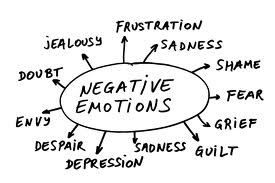
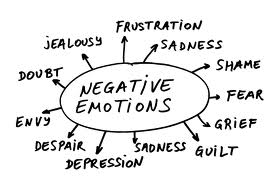
Just like the famous tagline “Dar ke aage jeet hai” (Victory lies beyond fear), the process of facing and working through negative emotions is essential for personal growth.
Negative emotions are not obstacles to avoid; they are powerful signals pointing us toward areas of life that need healing, attention, or change. By processing them in a healthy way through self-awareness, compassion, communication, and action, we learn valuable lessons about who we are, what we value, and what we need to move forward. Now lets understand deeper or hidden meaning of different negative emotions.
Anger
When anger is internalized and supressed, it often signals the need to establish healthier boundaries with the people around you. It highlights the importance of having the courage to express your true feelings, thoughts, opinions, and needs. Suppressing your authentic self can lead to deeper frustration, while speaking your truth helps you reclaim your power and identity. Internalized anger can also point to areas where injustice exists in your life. Instead of burying these feelings, it calls you to take action to stand up for yourself, to address unfairness, and to honor your sense of self-worth. On the other hand, anger that flares up frequently or is expressed aggressively reveals a different kind of imbalance. It suggests a need for greater tolerance, patience, and acceptance of others and of life’s imperfections. It invites you to respond, not react — to choose understanding over immediate judgment. There is a strong connection between your overall happiness and the intensity of your anger. The more fulfilled and content you feel within yourself, the less often anger will control your emotional world. Therefore, recurring anger also indicates a need to intentionally create a life that nurtures your joy, satisfaction, and inner peace.
Jealousy
Jealousy often arises when we see others having exactly what we deeply desire but have not yet achieved. Rather than viewing jealousy as something negative, it can be seen as a powerful indicator of our own untapped potential — a hidden source of motivation and inspiration. When we feel jealous, it points directly to the dreams and goals we hold in our hearts. For example, if you aspire to become a yoga teacher but are currently struggling, seeing successful yoga teachers may naturally trigger feelings of jealousy. It’s not because you resent them; it’s because their success mirrors your own aspirations and reminds you of where you want to be. On the other hand, if you see someone thriving in a field you have no personal connection to e.g. You are a Yoga teacher and you see someone running a successful stock market business, you likely won’t feel jealous at all. You’ll recognize that it’s not your path, and therefore it won’t stir the same emotional reaction. Jealousy, when understood correctly, can become a guide. It shows us where to focus our energy, what dreams are asking to be nurtured, and where we can grow. Instead of letting jealousy weigh us down, we can use it to fuel our passion, refine our goals, and remind ourselves that if it’s possible for them, it’s possible for us too.
Shame
Shame signals a deep need for self-acceptance and a reminder to trust the larger journey of life. It invites us to recognize that everything we experience even our mistakes and missteps happens for a reason, often to teach us lessons we couldn’t learn any other way. When shame arises, it calls for greater kindness and compassion toward ourselves. It’s easy to wish we could erase the parts of us we regret, but if we were to eliminate those versions of ourselves, we would also erase the growth, wisdom, and strength that came from them. Every choice you made, even those you now question, was made with the understanding and resources you had at the time. Shame challenges us to rebuild our sense of self, not through punishment, but through reflection and action. It urges us to recognize our weaknesses honestly and to take meaningful steps toward healing and growth. By doing so, we not only strengthen ourselves, but also develop deeper empathy for others who are navigating similar struggles. In learning to forgive ourselves, we become more capable of extending true compassion to the world around us.
Guilt
Guilt serves as a powerful emotional signal that something we have done is out of alignment with our values or better judgment. When approached with self-awareness, guilt becomes an opportunity for growth rather than a burden to carry. It reminds us not to repeat the same mistakes and encourages us to take responsibility for our actions. True healing through guilt involves spreading awareness about the lessons we have learned. By sharing our experiences openly, we can help others who might be facing similar challenges, offering them guidance, hope, and solidarity. Guilt also invites us to practice humility — to ask for forgiveness from those we may have hurt, and to offer ourselves the same compassion we would extend to others. It teaches us to accept the inherent imperfections of being human. We are all works in progress, and acknowledging our flaws with sincerity is a step toward deeper personal and collective healing.
Anxiety & fear
Anxiety and fear often arises when we feel an urgent need to have all the answers immediately. The uncertainty of not knowing what will happen next, or how things will unfold, can create a deep sense of restlessness and unease. We crave clarity and control, but when they are missing, anxiety rushes in to fill the gap. Rather than viewing anxiety as just a problem, it can be helpful to see it as a signal — a nudge that something within us needs attention. Anxiety often points to the need for grounded, concrete action. Instead of spiraling in endless worry, it invites us to pause, reflect, and develop a practical plan. Creating small, manageable steps forward can transform anxious energy into purposeful momentum. Setting clear intentions, breaking down big uncertainties into smaller, solvable parts, and focusing on what can be done right now helps reclaim a sense of stability. Anxiety reminds us that while we cannot control everything, we can always choose our next step with intention and courage.
Negative emotions are not our enemies—they are messengers guiding us toward growth, healing, and self-discovery. Whether it’s anger, jealousy, shame, guilt, or anxiety, each one holds valuable lessons if we’re willing to listen. Instead of suppressing or fearing them, we can embrace these emotions as signposts, pointing us toward deeper self-awareness, meaningful change, and ultimately, a more fulfilling life.
The next time a difficult emotion arises, pause and ask: What is this trying to teach me? The answer might just lead you closer to your own victory—beyond fear.
Home | My Journey | One on One Consultation| Courses | Whatsapp Workshops | Blog | Books | Gallery
urjawellnessjoy@gmail.com
© 2026 Urja Wellness & Joy. All Rights Reserved.
Disclaimer: The guidance, coaching, and spiritual services offered are intended for personal growth, self-awareness, and empowerment. They are not a substitute for professional medical, legal, financial, or psychological advice.